
Industry Professionals Since 1982
Fast & Reliable
Licensed, Insured & Bonded
(636) 583.5564
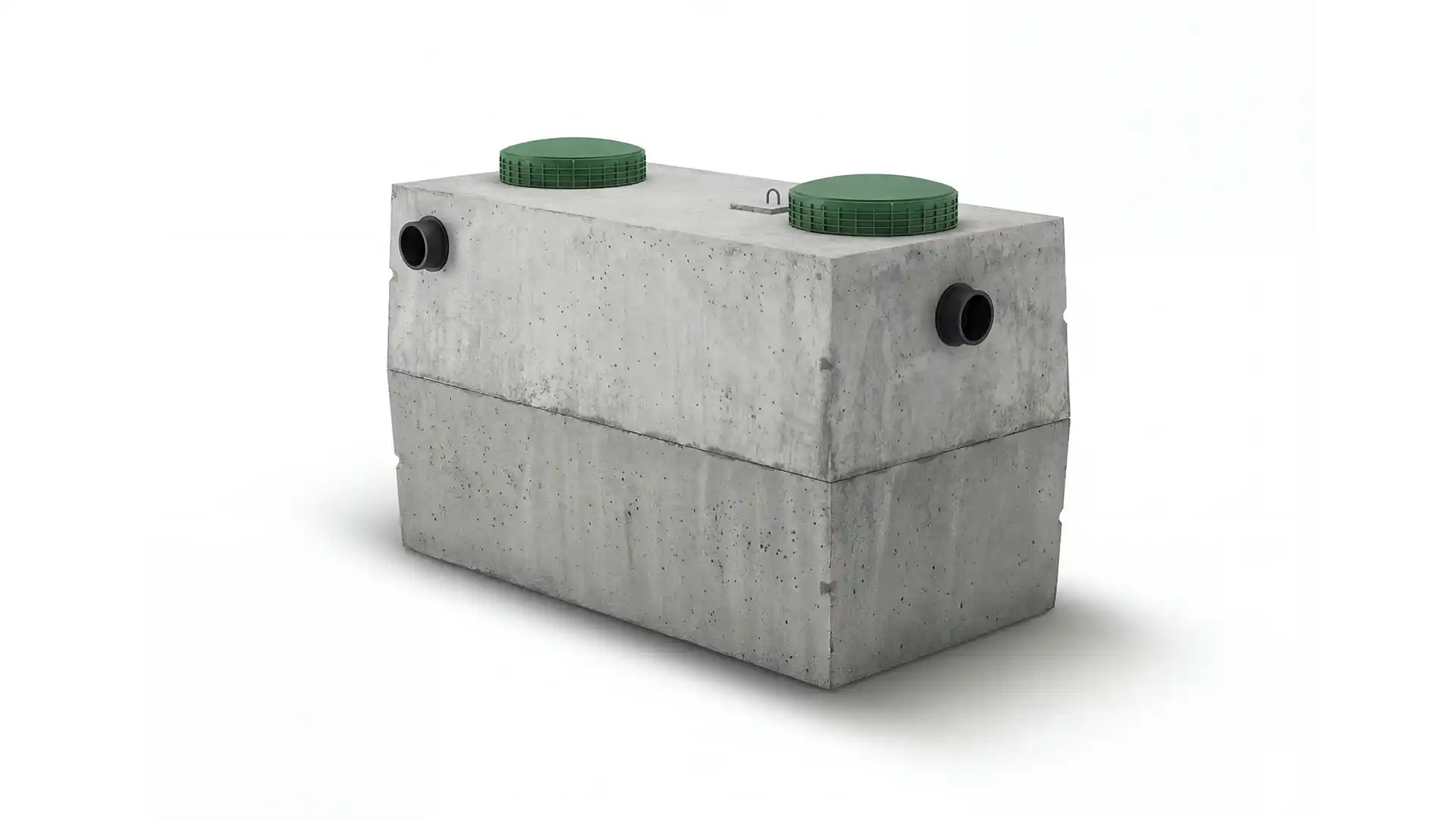
SEPTIC SYSTEM INSTALLATION
Experienced crews will install your system to county and state codes. We've installed over 5000 septic systems.
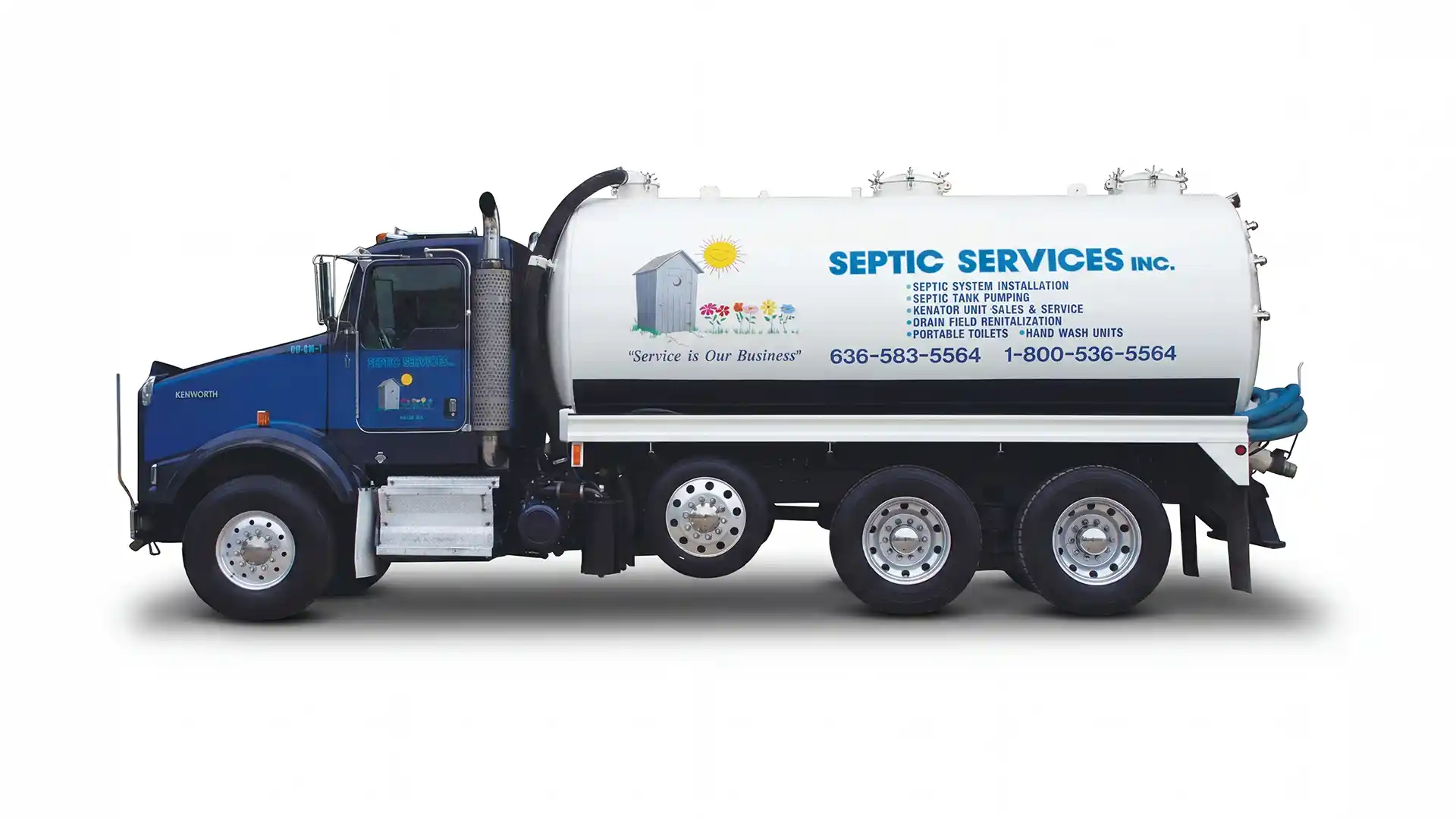
SEPTIC & GREASE TRAP PUMPING
From small RV holding tanks to large commercial applications. Our crews have serviced over 100,000 systems.
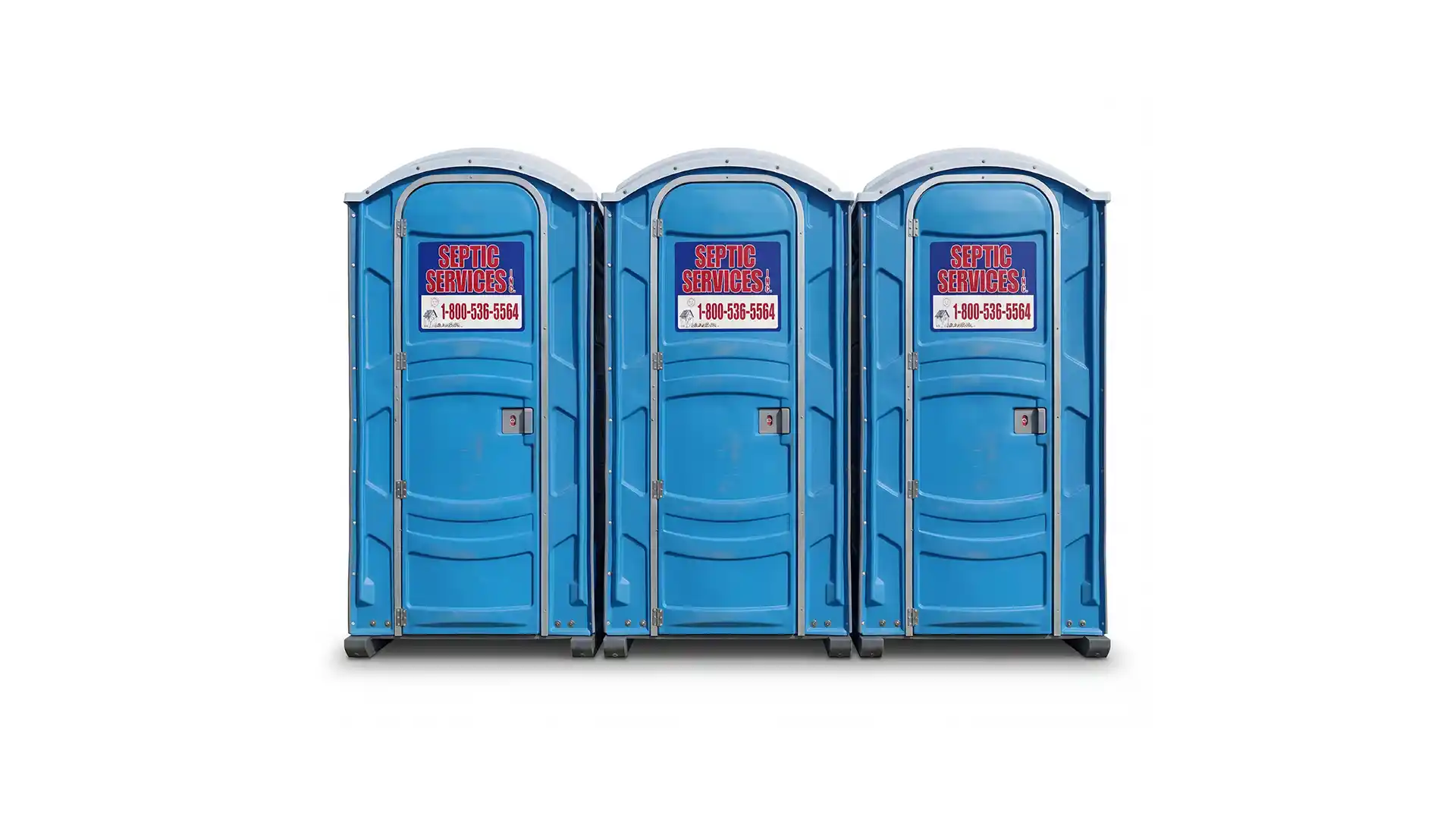
PORTABLE RESTROOM RENTAL
Complete line of portable sanitation units including ADA compliant units as well as multi-user handwashing units.
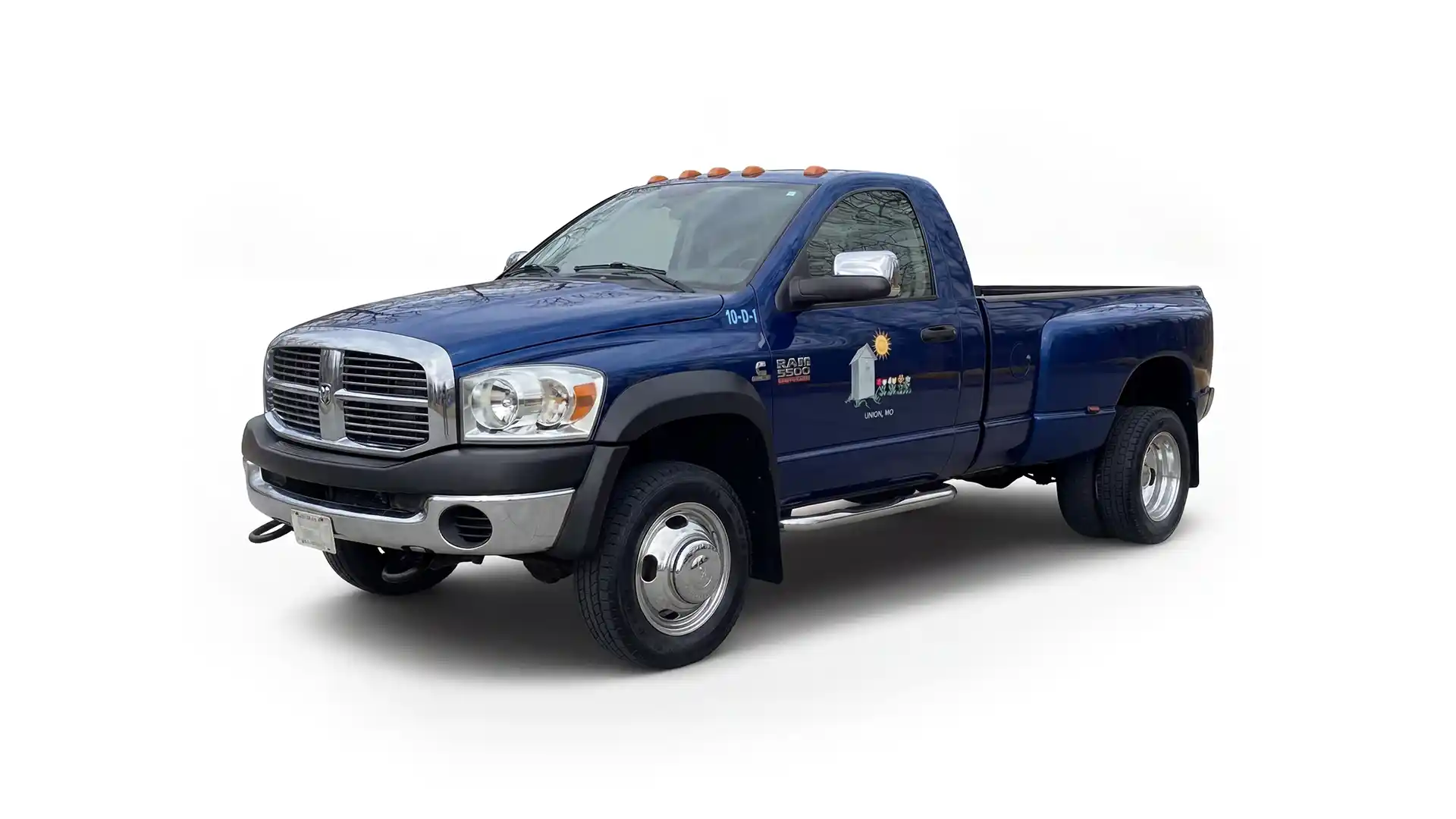
MAINTENANCE, SERVICE & REPAIR
Enjoy piece of mind that your system is operating efficiently. Regular or spot inspections. Install lift stations and more.
We Are Ready to Help!
Septic Services strives to provide our customers with friendly personalized service. Our experienced and knowledgeable staff will listen to your needs and provide you with service excellence.
And we're always ready to provide you with expert advice & information.
Service Areas
Septic Services Inc. serves all of Franklin, St. Louis, Jefferson, Washington, St. Charles, Warren, and Gasconade Counties, Crawford, and Osage counties.
Licensed, Insured, & Bonded
Call us at 636-583-5564
to request service.
We accept: Cash, Check, Visa, Mastercard & Discover
Testimonials
Satisfied Customers
FAQ
We've Got The Answers
How often should I pump my septic tank?
Each person in the family should be considered to use 100 gallon of sludge per year, so if you have a 1200 gallon tank and a family of 4, divide 1200 gallons by 4 and your tank should be pumped every 3 years.
How can I tell if it's time to pump my tank?
If sewage is coming up out of tank; your toilet and fixtures gurgle when used; or there is a bad odor in your yard by the tank, your tank is well overdue for pumping.
Can I build or drive over my tank?
No. Please do not drive over your drainfield with anything heavier than a lawn mower, and no roads or construction at it will compact the drainfield, do not build over your septic tank we need to get to your tank for pumping.
Can I plant trees over my tank and drain field?
Do not plant anything with a heavy root system because the roots follow the water supply and can clog up your tank and drainfield.
Can I use a garbage disposal with my septic tank?
Yes. Anything organic will be digested by the bacteria. There are some items such as chicken bones and egg shells which should not be put down your disposal since they do not decompose.
Can I put grease down my drains to my septic tank?
No. Do not put grease down the drains as it clogs your lines and does not dissolve in the tank.
What are the advantages of an aeration system over a septic system?
An aeration system is typically used in families of over three people because of the larger water consumption. The oxidation supports aerobic bacteria which cleans the sewage water faster and better.
How do I service my aerator?
General maintenance includes cleaning the shaft of hair & debris every 6 months and pumping out the tank on a regular basis.
What is the best type of drainfield to install?
There are several types of drainfields, each are tailored to specific site conditions. The best way to determine the correct system for your site is to have a soils test and install the recommended system accordingly.
I have a thick black or pink crusty layer on top of my tank. Is this a problem?
This is a problem since it's an indication that the bacteria in your tank have died. You may be flushing harmful chemicals into the tank that are killing the bacteria.
What does it mean if I have wet spots in my yard?
This is not an emergency but it could be a leaking drainfield. You should schedule an inspection by a qualified septic service technician to access the situation.
My aerator is not working. Will my tank back up?
No. The aerator's main function is to induce air into the tank in order to promote aerobic bacteria growth. The bacteria digest the raw sewage in the tank to break it down.
Ready to Get Started? Give Us a Call Today!
Contact us today for a free consultation or to schedule your service. Our team is ready to help with all your septic needs.
636.583.5564
or